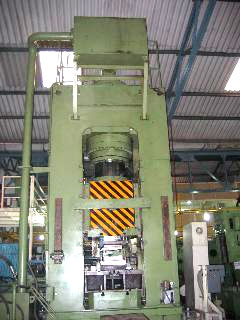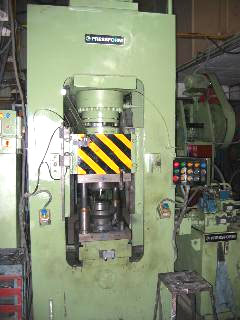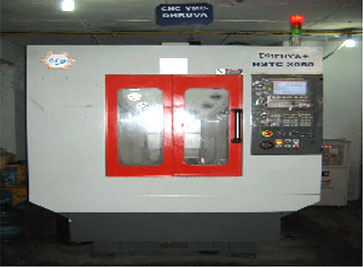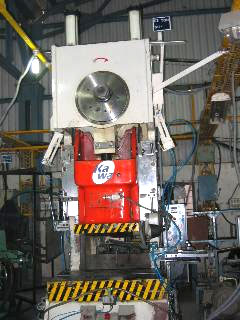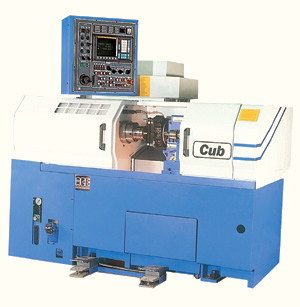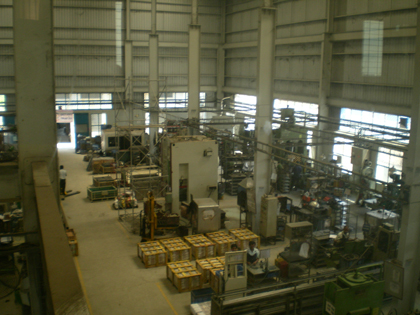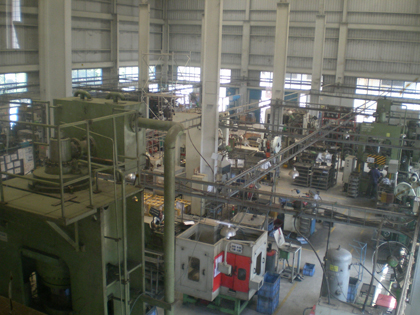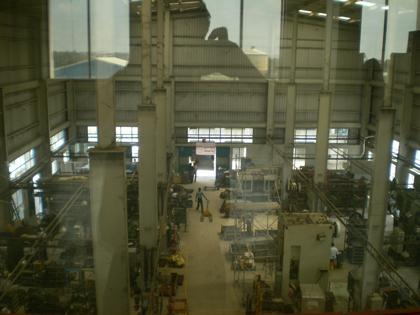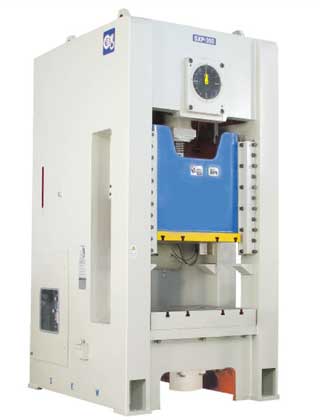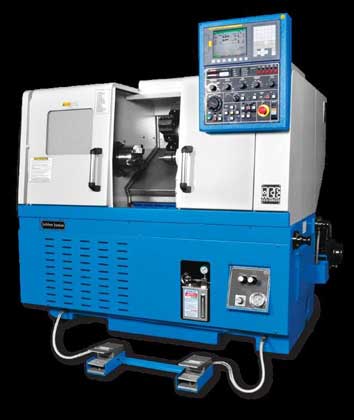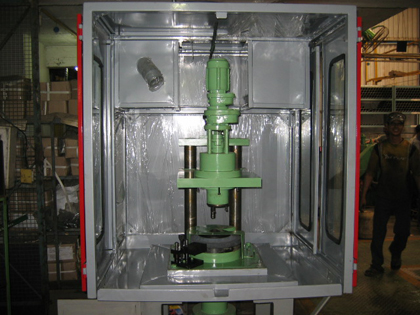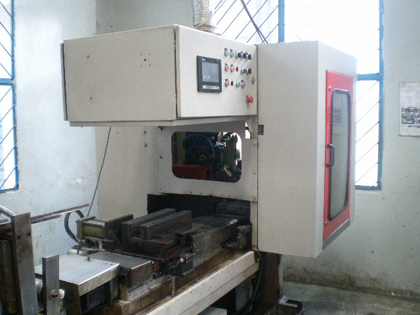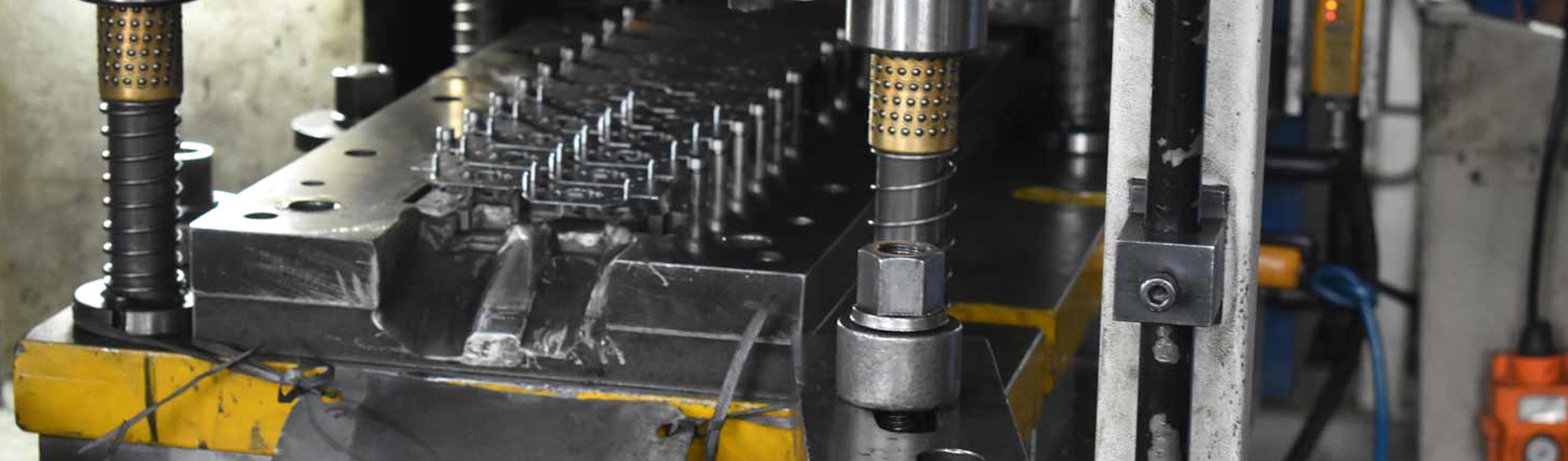
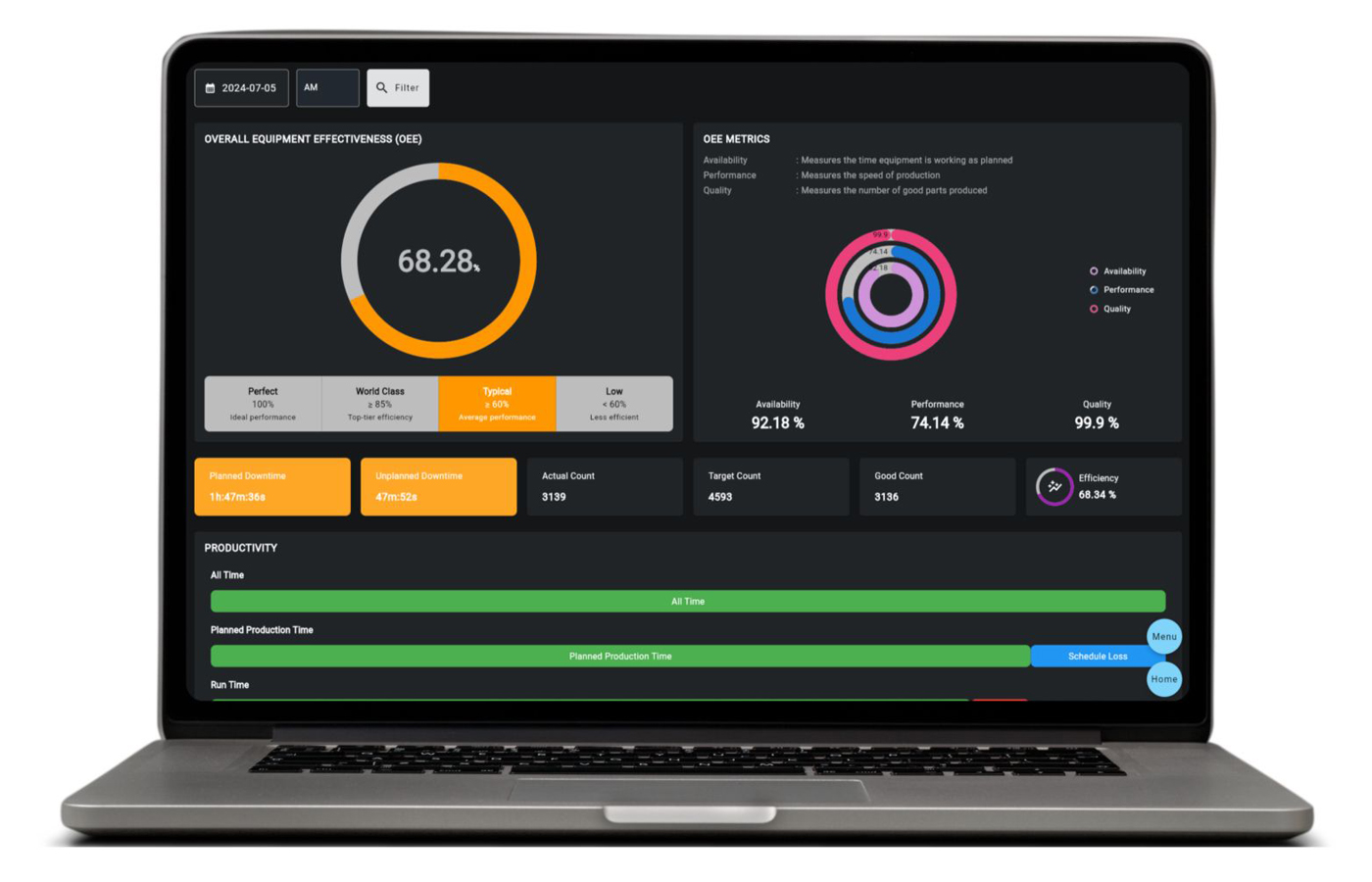
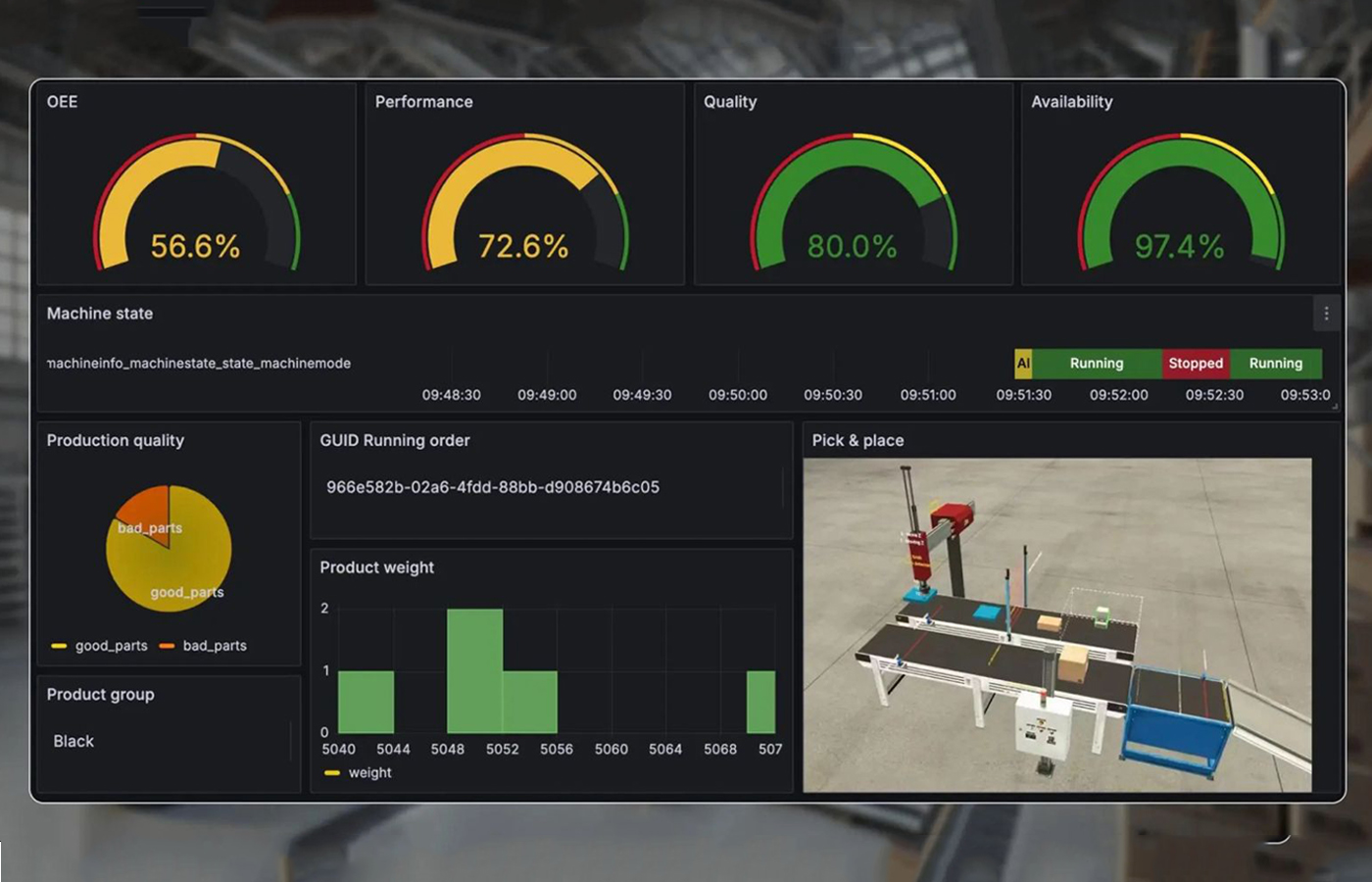
In a facility equipped with a heavy press shop, an in-house tool room, and advanced machining centers, a Smart Factory IoT system bridges the gap between physical machinery and digital analytics.
Edge Sensors and Gateways: Retrofitted sensors on legacy stamping presses and integrated PLCs (Programmable Logic Controllers) on modern CNC machines collect real-time data on vibration, temperature, cycle times, and energy consumption.
Centralized IIoT Platform: Data from the shop floor is aggregated through local edge gateways and sent to a centralized dashboard (often hosted in the cloud or on a secure local server) accessible to plant managers.
Data Analytics & Machine Learning: The system processes both historical and real-time data to establish performance baselines. It automatically flags anomalies that could indicate tool wear, material shortages, or impending machine malfunction.
Primary Applications on the Shop Floor: A precision engineering firm utilizes IoT to shift from reactive to proactive manufacturing. For a company handling high-volume automotive and commercial tooling, the system typically focuses on four main pillars
Real-Time CNC & Press Monitoring: Operators and floor managers can track Overall Equipment Effectiveness (OEE) in real time. By monitoring spindle speeds, feed rates, and machine idle times, the IoT system identifies hidden bottlenecks in the manufacturing process.
Predictive Maintenance: Cold forging and metal stamping place immense mechanical stress on machinery. IoT vibration and acoustic sensors detect micro-anomalies in press machinery before a catastrophic breakdown occurs, allowing maintenance to be scheduled safely during planned downtime.
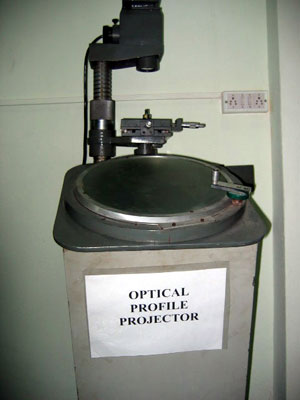
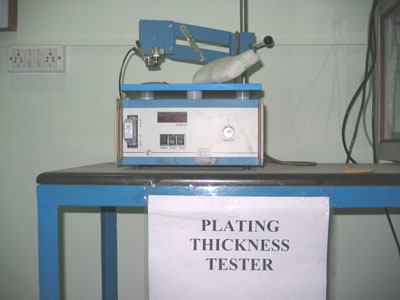
Automated Quality Control: For high-precision components, IoT-enabled vision systems and digital micrometers feed dimensional data directly into a Statistical Process Control (SPC) module. If a CNC machine begins to drift out of its designated tolerance, the system alerts the operator before defective scrap is produced.
Smart Inventory & Tool Tracking: RFID tags and smart sensors in the tool room and raw material storage areas automatically track the consumption of steel sheets, wire forms, and cutting tools. This streamlines the supply chain and prevents production delays caused by missing materials.
Anticipated Operational Impact : Implementing this level of digital transformation in a precision engineering environment yields highly tangible results
Reduced Unplanned Downtime: By shifting to a predictive maintenance model, costly and sudden interruptions in the press shop and CNC lines are heavily minimized.
Enhanced Quality Assurance: Automated, sensor-driven data logging ensures complete component traceability for strict automotive and industrial clients, making standard compliance (such as TS-16949) practically seamless.
Optimized Energy Consumption: Monitoring power usage at the individual machine level helps identify inefficient equipment, allowing the factory to optimize the running hours of high-draw machinery.